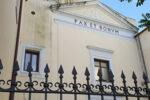
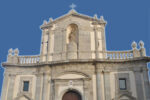
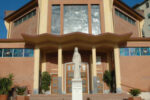
The Church of the Rosary
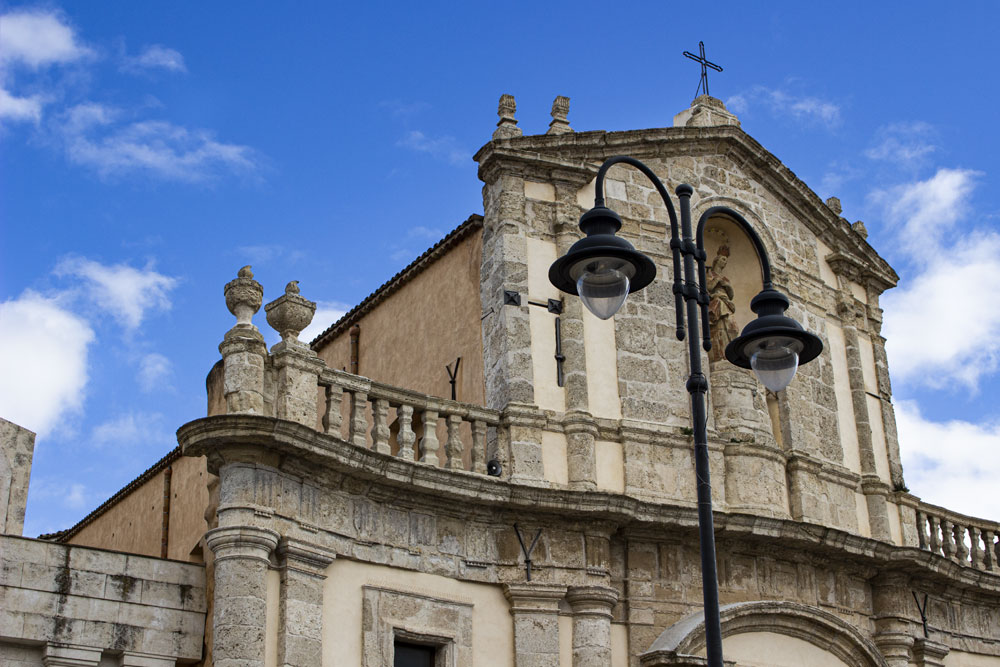
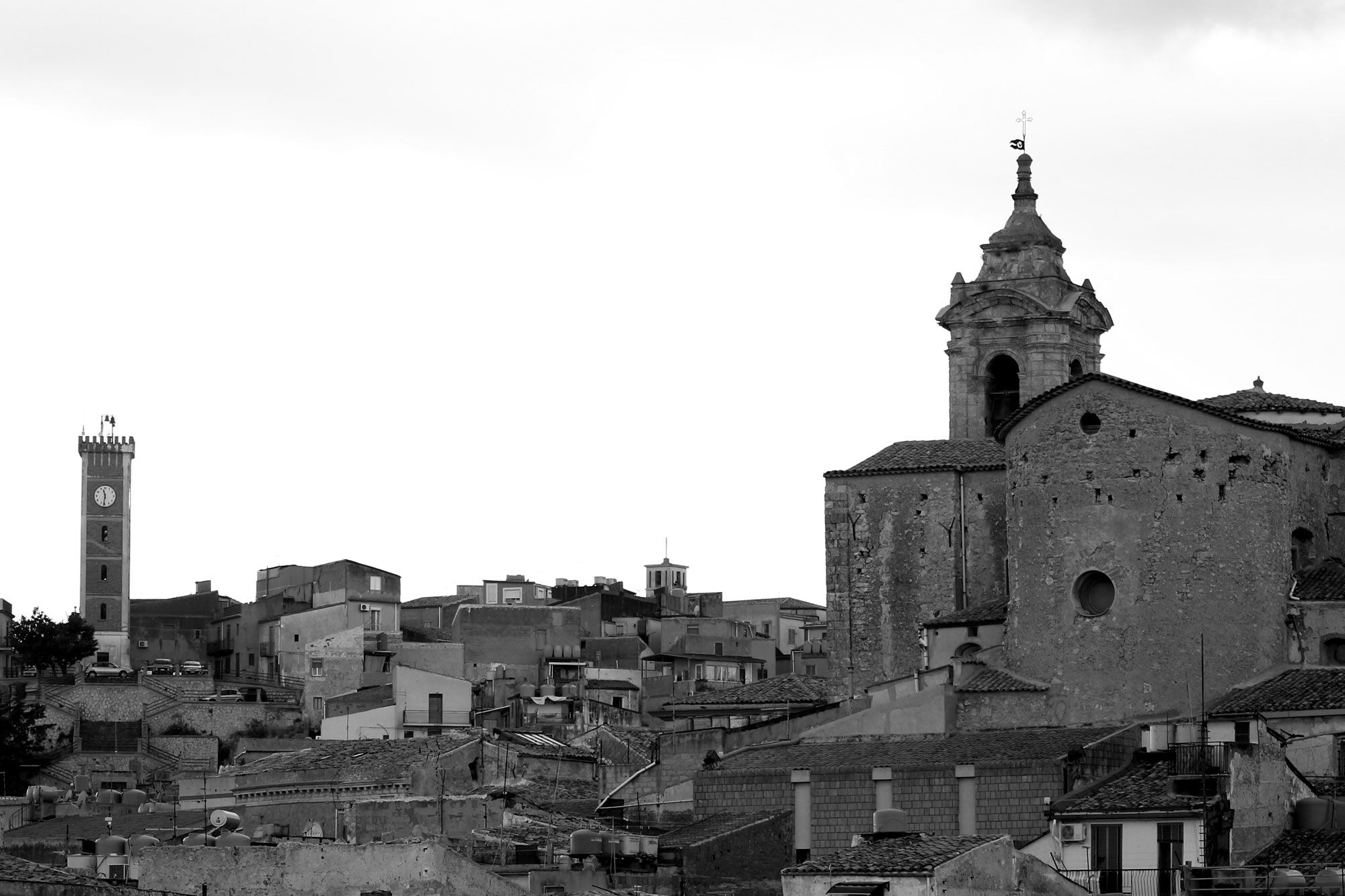
Originally founded in 1669 and rebuilt in 1702 , the church underwent significant expansion during the nineteenth century. Characterized by a single nave structure , it features a highly valuable decorative apparatus that narrates the life of the Virgin.
The Decorations and the Vaults
The walls and vaults are decorated with works by the painter Emanuele Catanese , who depicted scenes from the life of the Madonna. The friezes and the apse basin were created in 1880 by Calogero Sestri of Serradifalco.
The High Altar
The presbytery area is dominated by the main altar, where the statue of the Madonna , a work by Cardella (1880), stands out. The main niche is flanked by four papier-mâché statues made by Giuseppe Emma Junior , which depict:
The Side Altars
Along the sides of the nave are several treasures of art and devotion:
-
Right Side: It houses the canvas of San Biagio (a work by Butera) and the statue of the Sacred Heart of Jesus .
-
Left side: It houses the commemorative icon of the Jubilee (by Rosario Prizzi), the statue of San Sebastiano , the Crucifix and the valuable statue of San Francesco da Paola , created by Bagnasco in 1796 .
Historical note: The original text indicated the church's expansion as having been completed in 1882-1837. I removed the specific dates because they were reversed, but if you remember the exact year (perhaps 1832-1837?) I can re-enter it correctly.